
Travel the world. Explore the story.

Recent Posts
See what I’ve been up to recently!
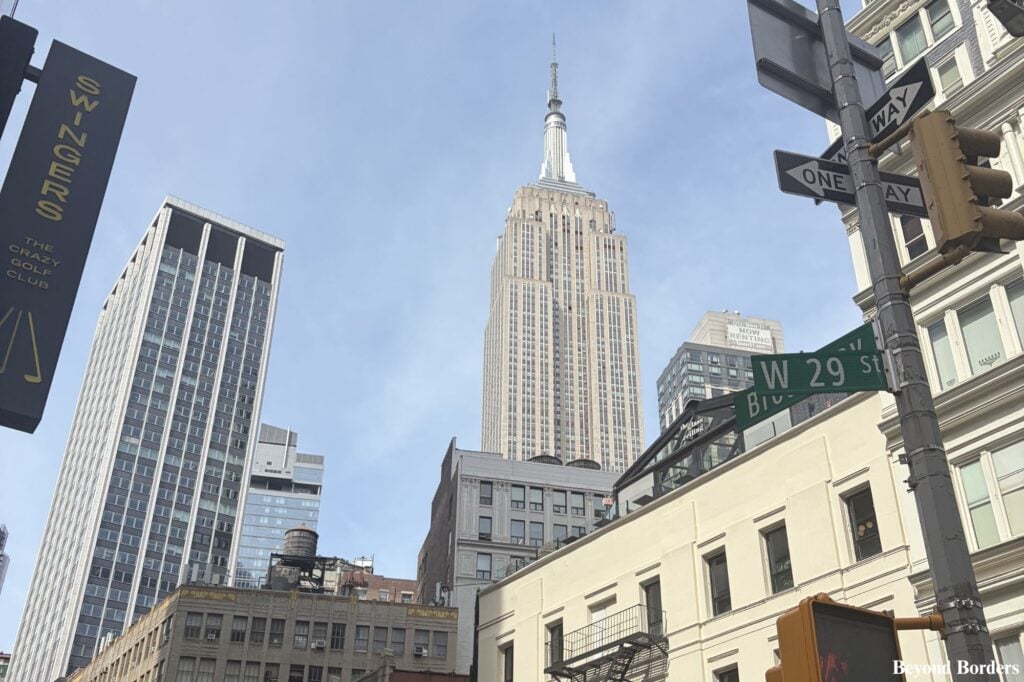
How to Choose Between the 5 Best Hotels Near The Empire State Building
How to Choose Your Empire State Building Hotel in 4 Steps: Filter Noise Defense–If you…
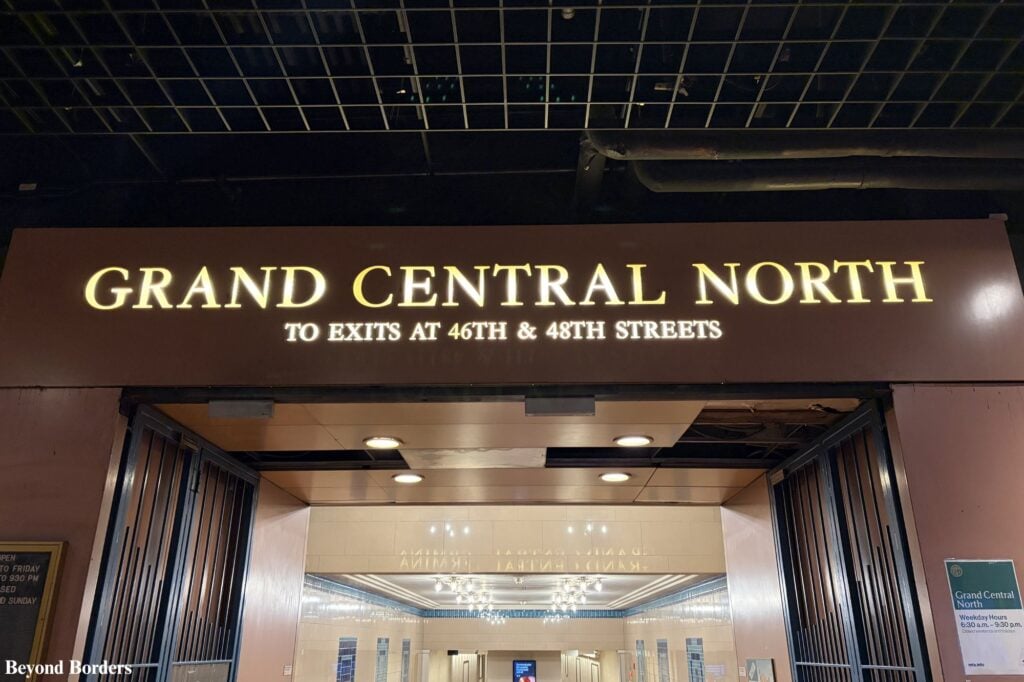
5 Best Grand Central Hotels NYC: How to Use the Station’s Secret Tunnels to Skip the Sidewalk Traffic
How to Reach Midtown Hotels via Grand Central’s Tunnels in 4 Steps: Locate the Passages:…
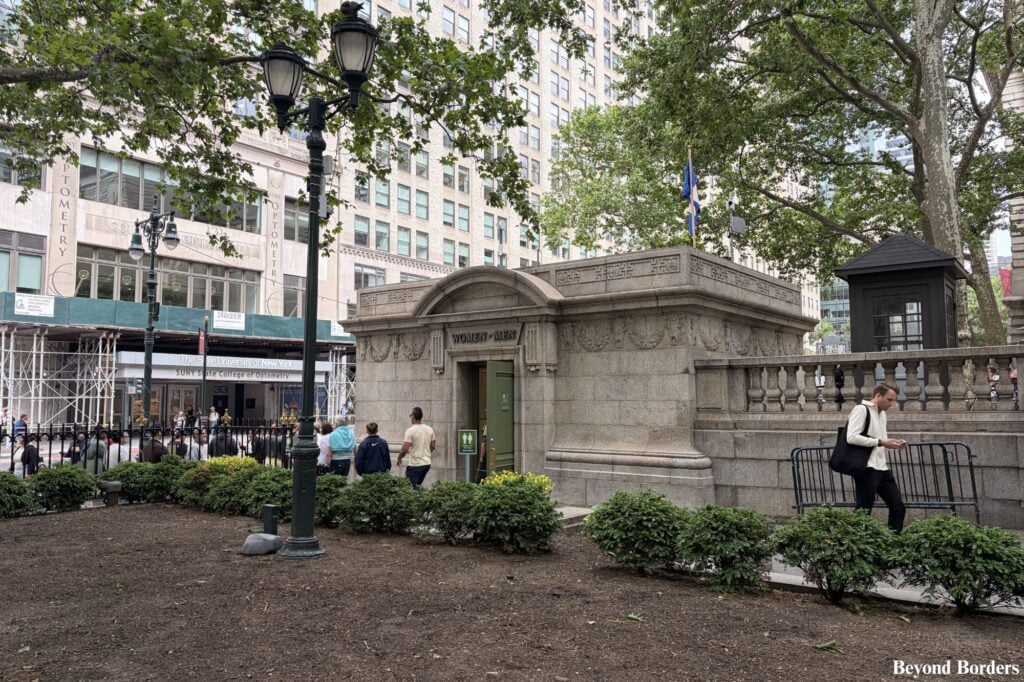
How to Find the Best Public Bathrooms in NYC: A Step-by-Step Location Guide
Finding a clean public bathroom in NYC is difficult, but the best public bathrooms in…
Featured Destinations
GREECE
Explore archeological ruins, tranquil clear-blue water, beaches, and more.
NEW YORK
The most visited city in the USA, brimming with parks, skyscrapers, and endless energy.
LONDON
A cosmopolitan global city, full of multicultralism and medieval landmarks.
MALTA
An overlooked European country filled with culture, history, and beaches.

Travel Inspiration
Can’t figure out where to go or what to do? I’ve got you covered.
Spring Break
Whether you’re chasing the coastline or getting lost in a new city, this is your ultimate guide to the season. From hidden gems to classic getaways, dive into my favorite ways to spend a week in the sun.
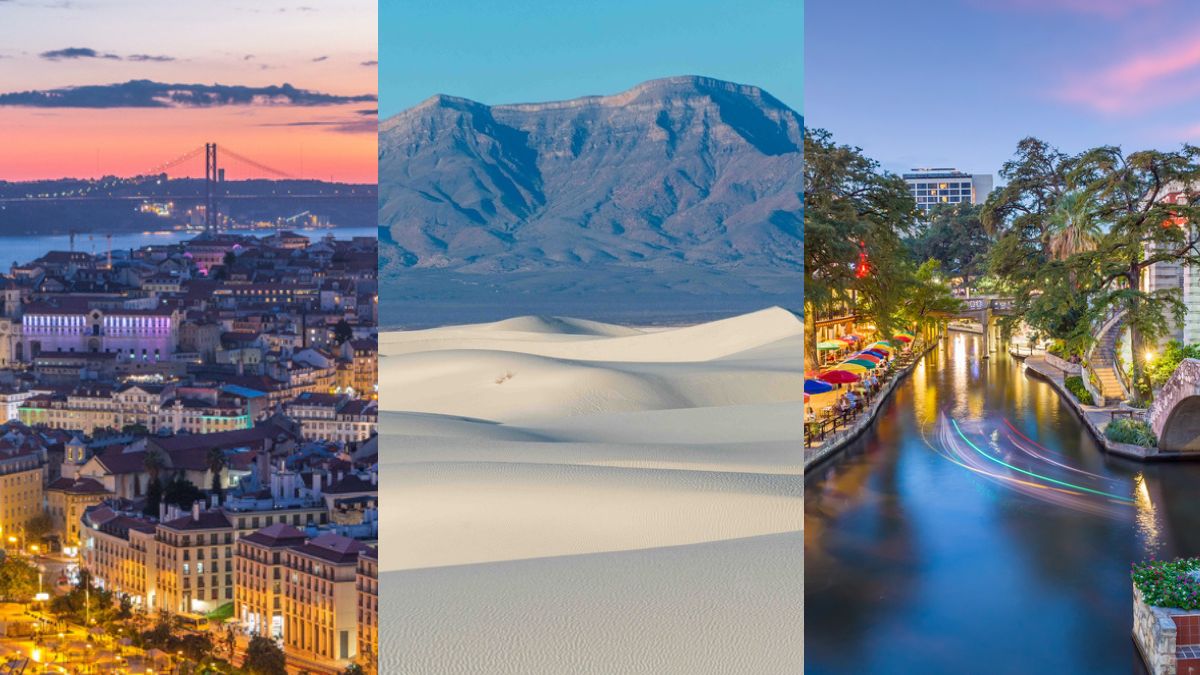
My Top 3 Spring Break Destinations For Families (2026 Guide)
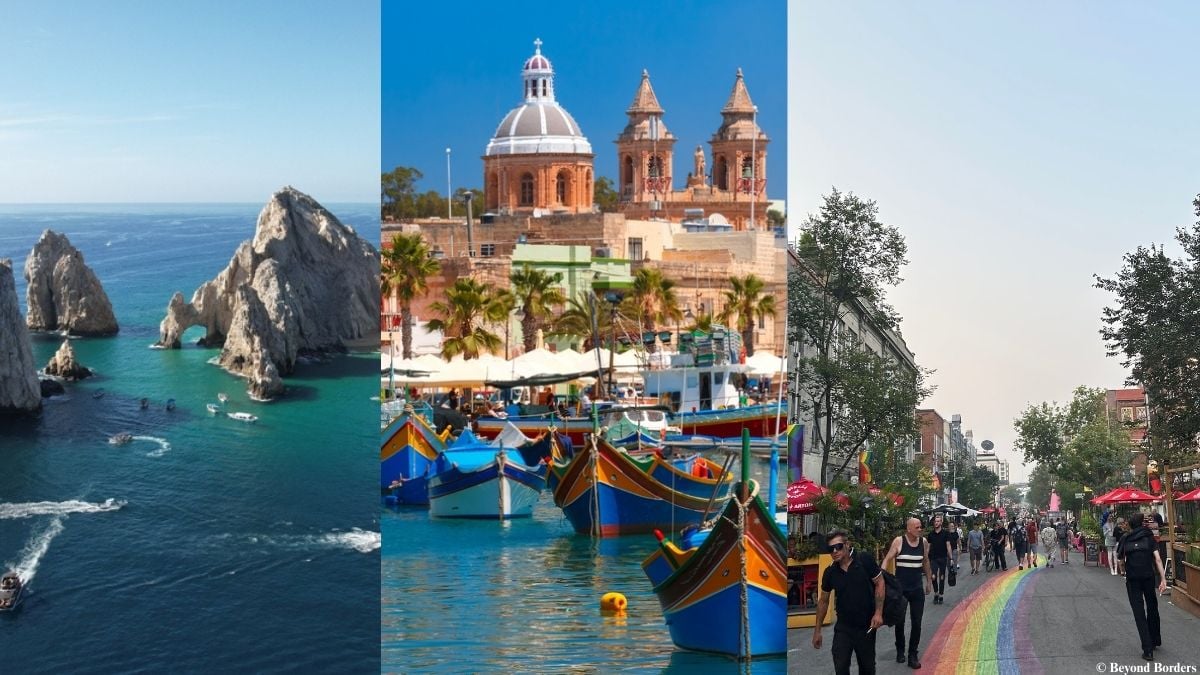
My 3 Top Spring Break Destinations for 2026: Accessible, Trendy, and Expert-Vetted
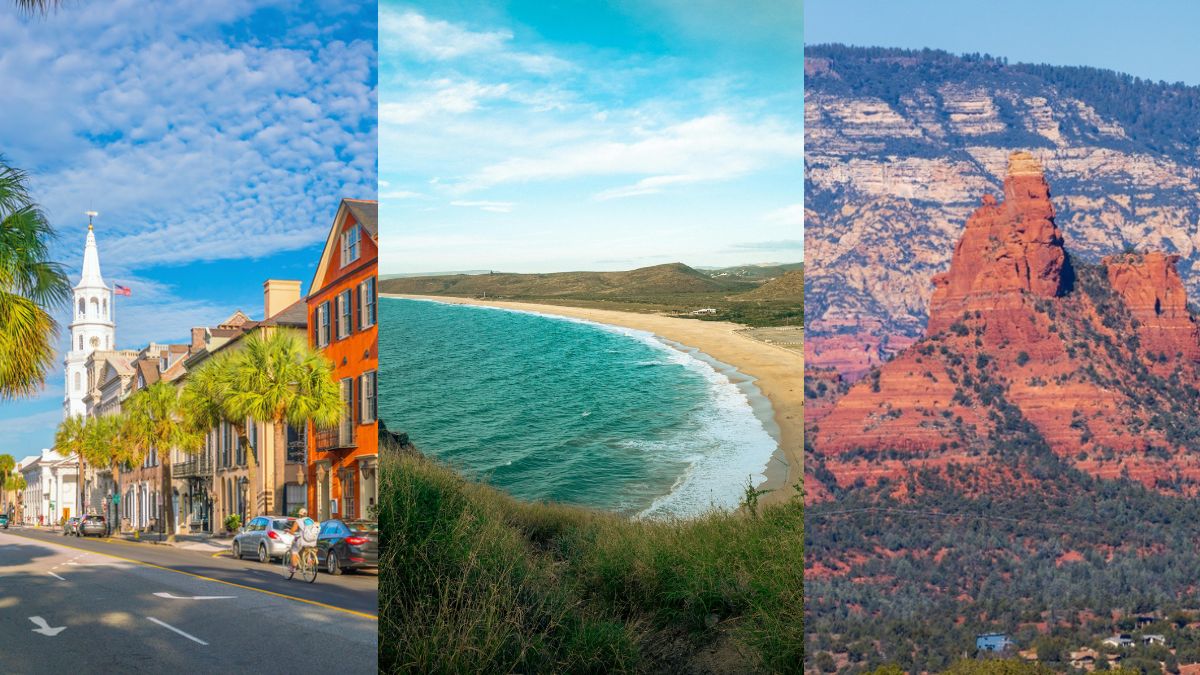
3 Spring Break Destinations For Adults: Free of College Crowds (2026 Guide)
More coming soon!